Hiring a freelance web designer in KL can be a practical choice for a small or clearly defined project. A freelancer may offer direct communication, flexible working arrangements, and a lower starting price. However, some websites need a wider team with content, development, SEO, security, and ongoing support.
The right choice depends on the project, not only the budget. A simple landing page is different from an ecommerce store, membership portal, or multilingual corporate website.
This guide explains when a freelancer is suitable, when an agency may be safer, and what to check before you hire either option.
Freelance web designer KL for suitable website projects.
Write down the purpose of the website. Do you need more enquiries, online sales, bookings, information, or a professional company profile?
List the pages and features you expect. These may include forms, WhatsApp, maps, payments, products, booking, multiple languages, blog posts, or connections with other systems.
Also decide who will prepare the content, images, and approvals. Many website delays happen because these responsibilities are unclear.
When the project is defined, you can judge whether one person has the time and skills to complete it safely.
A “freelance website designer Kuala Lumpur” provider may focus on layout and user experience. A “freelance web developer KL” handles more technical work. An “affordable web designer KL” can suit a simple project, but the scope still matters.
A “WordPress freelancer Kuala Lumpur” specialises in WordPress. A “website freelancer Malaysia” may work remotely across locations. For online stores, a “freelance ecommerce developer KL” should understand products, payments, shipping, security, and support.
A freelancer can be suitable when the project is small, the requirements are stable, and one person can handle most of the work.
Examples include a simple landing page, a small company website, design improvements, page updates, or regular content changes.
The key is relevant experience and availability.
An agency is useful when the project needs several connected skills. A larger website may require content, design, development, SEO, and automation.
An agency can divide work between specialists and provide a project manager. It may also offer stronger continuity if one team member becomes unavailable.
Choose an agency when the website affects important sales, customer data, payments, or several departments. The extra structure may reduce risk.
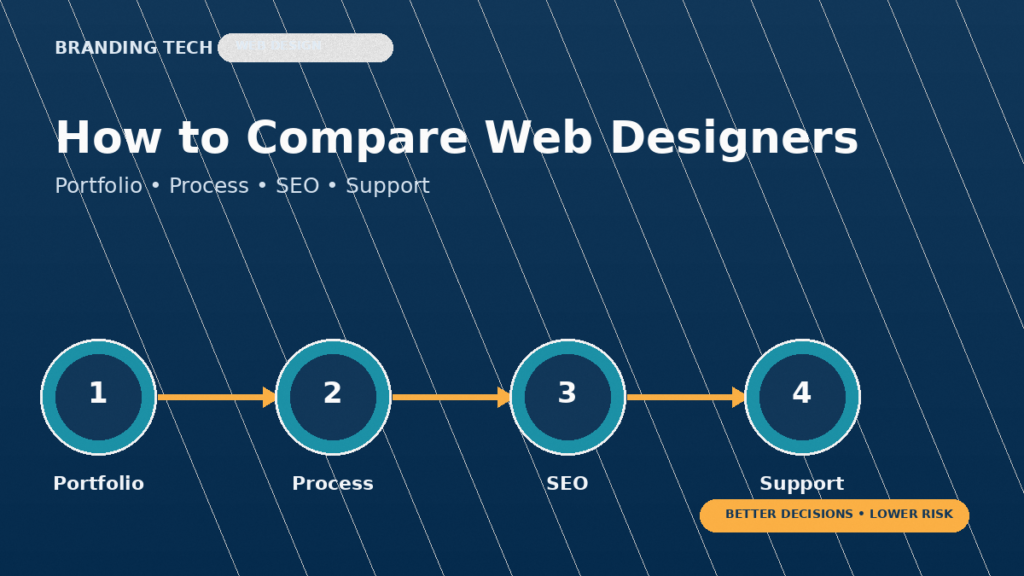
Our web designer KL guide explains how to compare professional providers based on process, ownership, and results.
Some freelancers have deep experience and can manage complex work. Some agencies have limited in-house skills and outsource most tasks. Do not assume quality from the title alone.
Ask who will complete design, development, content, SEO, testing, and support. Review live websites and open them on a phone.
Check whether the pages are easy to understand, load properly, and guide visitors toward a clear action. Attractive screenshots do not prove that the full website works well.
A clear quotation should explain:
Compare several proposals using the same requirements. A cheap package may exclude important work, while a higher price may include content, SEO, testing, and support.
Your business should control the domain, hosting, website administrator account, analytics, and other important services.
The designer can receive access needed to work, but the accounts should not remain under a personal name that you cannot control.
Ask who owns the design, content, source files, and custom code after payment. Record paid themes, plugins, fonts, and image licences.
If the relationship ends, you should be able to move the website or appoint another provider without losing access.
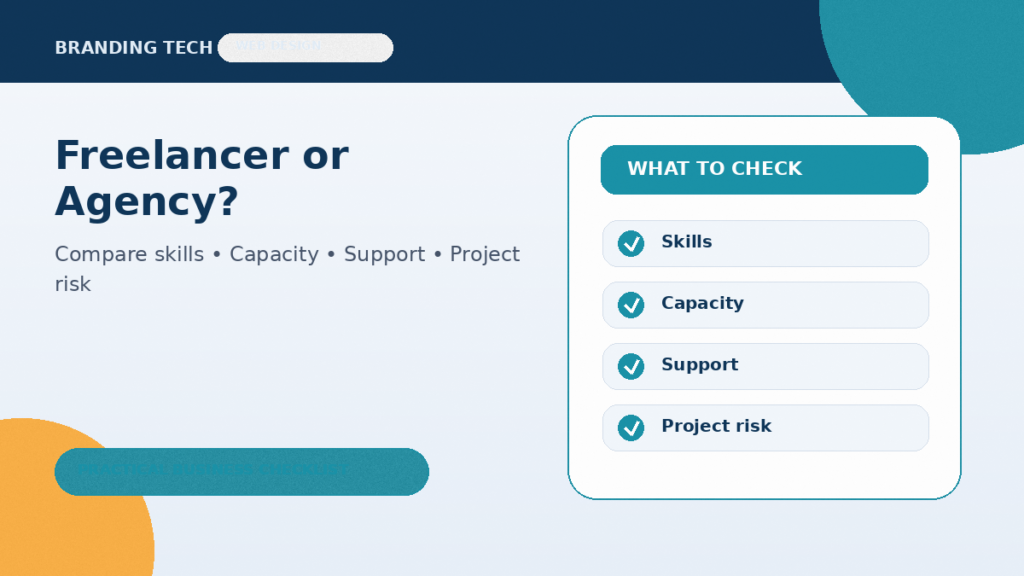
Compare a freelance web designer with a web design agency.
A freelancer may manage several projects at once. Ask how quickly messages are answered, what happens during leave, and how urgent problems are handled.
For an agency, ask who your contact person is and whether support is handled by the same team that built the website.
Agree on a warranty period for bugs. Then discuss ongoing maintenance for backups, security updates, software updates, small changes, and technical help.
A website is not a one-time poster. It needs care after launch.
Web design focuses on layout, visual style, and user experience. Development makes features work. SEO helps search engines understand and find the pages. Content explains the offer and answers customer questions.
One person may provide several skills, but you should confirm this with examples. If advanced programming or system connections are required, a web programming company may be a better fit.
If you want to build the site yourself, the website builder Malaysia guide explains the benefits and limits of common platforms.
A KL-based freelancer may understand local customers, business areas, languages, and common communication channels such as WhatsApp. In-person meetings may also be easier.
However, location alone does not guarantee quality. A remote Malaysian professional may deliver excellent work with a clear online process.
Choose the person or team that understands your audience and can support the project after launch.
Cost depends on pages, design, content, features, ecommerce, languages, integrations, and support. A small template-based website usually costs less than a custom design or online store.
Ask for one-time and recurring costs. Recurring expenses may include domain renewal, hosting, paid software, maintenance, and support.
Do not compare only the final number. Compare what you receive, the quality of the process, account ownership, and the risk if something goes wrong.
Be careful when a provider cannot explain the scope or timeline. Avoid paying the full amount before clear stages are completed.
Do not accept a website that will remain under the provider’s personal accounts. Also be cautious when the designer promises top Google rankings without reviewing the market and website.
Another warning sign is no testing or support plan. Forms, mobile pages, links, and tracking should be tested before launch.
Clear communication is essential. If simple questions are difficult before payment, support may be harder later.
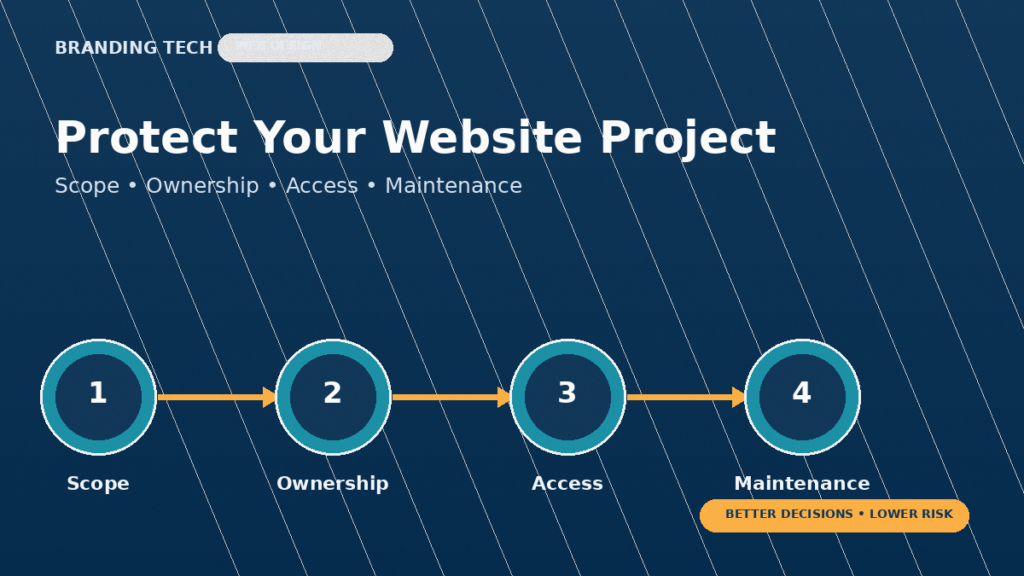
Website ownership and support points to confirm before starting.
Branding Tech provides website design, content, SEO, branding, advertising, and AI automation. Our team connects the website with the customer journey and marketing goals.
We may be a suitable choice when the project needs more than one skill or when the business wants ongoing support after launch.
The MDEC Business Digitalisation Initiative encourages Malaysian businesses to assess their digital needs and choose suitable tools. We follow the same practical idea: begin with the business goal and build only what creates value.
Often, but not always. Compare the full scope, experience, support, software costs, and risk. An agency may include services that a freelancer prices separately.
Yes, if the freelancer has strong ecommerce experience and can support payments, delivery, security, testing, and maintenance. Review live stores before deciding.
Your business should own and control both. Give the designer suitable access without losing ownership of the account.
Ask this before the project starts. Keep administrator access, backups, licences, source files, and documentation so another professional can continue the work.
A freelance web designer in KL can be an excellent choice for a focused project with clear requirements. An agency may be safer when the work needs several skills, stronger project management, or long-term support.
Define the website goal first. Then compare real experience, scope, ownership, communication, testing, and support. The right provider should make the project clearer and give your business control of its digital assets.
Technology supports almost every part of a modern business. Email, cloud files, websites, customer systems, payments, and reporting must work reliably. Choosing the right IT company in Shah Alam can help your team solve problems, protect information, and use digital tools more effectively.
Different IT companies offer different services. Some focus on devices and office networks. Others build websites, software, cloud systems, or automation. The best provider is the one whose main experience matches your actual need.
This guide explains how to define that need, compare providers, and avoid common mistakes.
IT company in Shah Alam for reliable local technology support.
Do not begin with a long list of technology. Begin with what is not working.
Your staff may lose time because computers, email, or Wi-Fi fail. Customer information may be spread across several files. A website may not generate enough enquiries. Reports may take days to prepare. These are business problems that technology may help solve.
Write the problem, the people affected, and the result you want. This gives the IT provider useful information and makes quotations easier to compare.
“IT services Shah Alam” can cover networks, devices, cloud tools, and security. An “IT support company Shah Alam” usually handles daily problems. An “IT solutions company Shah Alam” may plan a wider business system.
“Managed IT services Shah Alam” means ongoing monitoring and maintenance. A “software company Shah Alam” may build or supply applications. A “technology company Shah Alam” can cover several areas. Always confirm the real service scope.
Support providers help with devices, email, networks, printers, user accounts, backups, and common software problems. Ask about support hours, response times, remote help, and office visits.
Cloud tools support file sharing, email, online work, backups, and access from different locations. The provider should plan permissions, security, migration, training, and recovery.
Security work may include account protection, access rules, backups, monitoring, staff awareness, and incident response. The level of protection should match the company’s data and risk.
Some IT companies build websites, online stores, portals, and booking systems. These projects may also need content, SEO, analytics, and marketing.
Custom software can support special workflows. Integration connects existing systems so information does not need to be copied manually.
Automation can move leads, send notifications, update records, or prepare reports. Begin with a clear repeated task and test the result before expanding.
A Shah Alam provider may visit your office when physical systems need attention. It may also understand local business areas, common service expectations, and the needs of Malaysian small and medium businesses.
Remote providers can support websites, software, cloud tools, and automation. Choose based on experience, communication, security, and support.
Businesses comparing a wider range of providers can read the IT company in Malaysia guide. Companies closer to Kuala Lumpur can also use the existing IT company in Kuala Lumpur guide.
Common IT services for businesses in Shah Alam.
An excellent web team may not be the right company for office network support. A hardware support provider may not be the best choice for ecommerce or digital marketing.
Ask what type of work forms the largest part of the company’s business. Review projects related to your own need.
A good provider asks about users, systems, risks, budget, and goals. It should explain why a solution is suitable instead of recommending a standard package immediately.
For larger work, expect a discovery or assessment stage. This reduces unclear requirements later.
The proposal should show tasks, deliverables, timeline, responsibilities, exclusions, price, recurring fees, and support.
For support contracts, ask which devices and users are covered. For projects, confirm testing, training, data transfer, and launch support.
Your company should control its domain, hosting, cloud accounts, website, advertising accounts, data, and administrator credentials.
Give the provider the access required for work, but keep the main ownership with the business. Record who has access and remove old access when staff or suppliers change.
Discuss two-step login, permissions, backups, updates, monitoring, and recovery. Ask where data is stored and how the team responds to an incident.
Know who will manage your account and where staff should send requests. Define urgent and normal problems. Ask for realistic response and resolution targets.
Clear communication matters as much as technical skill. Staff should understand what is happening and what they need to do.
The right measures depend on the service. You may track system availability, response time, solved tickets, website enquiries, sales, page speed, time saved, or reduced errors.
IT costs depend on users, devices, service hours, project size, risk, integrations, and support level. A monthly support plan is different from a website or custom system project.
Do not choose only by price. A very low quotation may leave out security, testing, documentation, or support. Compare total value and risk.
One mistake is buying technology before improving the process. A new system cannot solve unclear responsibilities by itself.
Another mistake is allowing a supplier to own important accounts. This can create serious problems when the relationship ends.
Some companies also choose a provider with many services but little experience in the required area. Relevant proof is more useful than a long service menu.
Finally, businesses may ignore staff training. Even a good tool fails when users do not understand it or follow the agreed process.
The MDEC Business Digitalisation Initiative provides guidance for Malaysian businesses adopting digital solutions. Its practical message is important: assess the current situation and choose improvements that support productivity and competitiveness.
Start with one valuable problem. Test the change, measure the result, and expand when the business is ready.
Businesses searching for nearby software specialists can also use the software companies near me guide. It provides extra questions for comparing development and technical teams.
A simple checklist for choosing an IT partner in Shah Alam.
Branding Tech supports websites, SEO, digital advertising, branding, content, and AI automation. We help companies improve online visibility, lead collection, customer communication, and repeated marketing tasks.
We are not a hardware repair centre or full-time network monitoring provider. For device repair, complex servers, or specialist infrastructure, choose a provider with that exact experience.
If your Shah Alam business needs a stronger website, more qualified leads, or better digital follow-up, we can review the customer journey and recommend a practical plan.
Services may include technical support, cloud tools, security, websites, software, integrations, automation, and reporting. Check each provider’s main area of expertise.
A local team is helpful for office visits and physical systems. A remote team can still manage many cloud, website, software, and automation projects. Choose based on the service and support required.
Monthly support may help when staff regularly need technical assistance or when important systems require monitoring and maintenance. Compare covered users, hours, response times, and exclusions.
Use a clear agreement, keep ownership of accounts and data, limit access, require backups, confirm support terms, and plan how information will be returned if the relationship ends.
The right IT company in Shah Alam should understand the business problem and explain the solution clearly. It should protect your accounts, provide a complete scope, and offer suitable support.
Compare experience, process, communication, ownership, security, and results. The best partner is not always the biggest or cheapest. It is the one that can solve the right problem in a safe and practical way.
Choosing a design company in Malaysia can feel difficult. Many agencies show attractive work, but good design must do more than look nice. It should help customers understand your business, trust your brand, and take the next step.
Malaysia is a mixed market with different languages, cultures, industries, and customer habits. A design that works for one audience may not work for another. Your chosen team should understand who you want to reach and what action you want people to take.
This guide explains what a design company does, what to check before hiring one, and how to get better value from your project.
Design company in Malaysia for a clear and consistent brand.
A design company helps a business present its ideas clearly. Its services include brand identity, logo design, company profiles, social media visuals, packaging, websites, advertising materials, and sales presentations.
Some companies focus only on graphic design. Others combine branding, content, websites, digital marketing, and advertising. The right choice depends on your goal.
Search terms can make the options sound similar. “Branding company in Malaysia” usually points to strategy and identity work. “Graphic design company Malaysia” often refers to a team that creates individual visuals. “Creative agency Malaysia” may cover design, content, and campaigns.
A “website design company Malaysia” search may lead to teams that focus on user experience and mobile design. “Brand identity agency Malaysia” usually points to teams that build complete visual systems. “Corporate design services Malaysia” often covers company profiles, presentations, reports, and sales materials. When choosing an agency in Malaysia, read the actual scope before comparing prices.
For example, a new company may need a complete visual identity. An established business may only need a better website or a more consistent social media style. A retail business may need packaging, while a service company may need a strong company profile and lead-generation landing page.
Before asking for a quotation, write down the main problem. Do customers misunderstand your service? Does your brand look different on every platform? Is your website outdated? A clear problem helps the design team recommend the right work.
Customers often judge a business before they speak with its staff. They may see a logo, Google profile, social media post, brochure, or website first. These small moments create an early impression.
Good design supports trust. It makes information easier to read and gives the business a consistent identity. It also helps customers recognise the same brand across different channels.
Design should also support real business goals. A company profile should help the sales team explain the offer. A website should guide visitors toward an enquiry. A social media post should communicate one clear message. Packaging should help the product stand out while giving buyers the information they need.
Malaysia’s digital market continues to grow, and MDEC’s Business Digitalisation Initiative encourages businesses to use digital tools to improve productivity and competitiveness. Design is part of that journey because customers need a clear and professional experience when they meet a business online.
Most design projects fall into a few main areas.
You may not need all these services at once. Start with the items that affect customers most. If your logo is acceptable but your website is weak, improving the website may produce more value than changing the full identity.
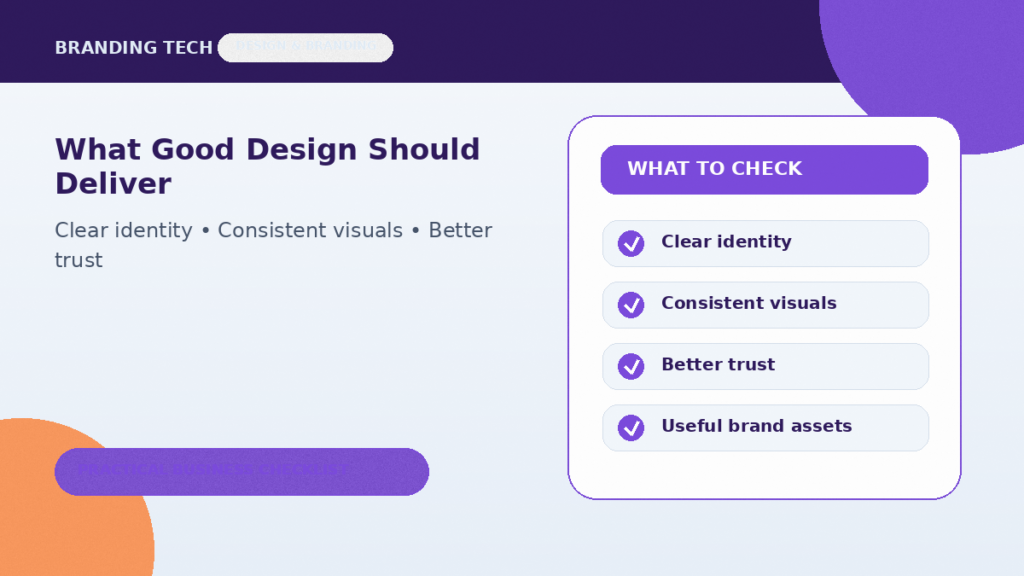
Good business design connects identity, consistency, and customer trust.
A good agency asks who your customers are, what they care about, and how they make decisions. It should not start with colours before understanding the business.
If you serve several Malaysian communities, explain which language and market matter most. The team should plan the message and layout for real readers, not only for an award portfolio.
Look for projects with a similar goal, not only a similar industry. A team that has created clear sales pages may still help a different type of business. Ask what problem the project solved and what part the agency handled.
Do not judge a portfolio only by style. Check whether the design is easy to understand, works on mobile devices, and supports the customer journey.
A clear process reduces delays. Good project managers should explain research, concept development, revisions, approvals, final files, and delivery before the work starts.
Ask how many concepts and revision rounds are included. Confirm who will collect your content and who will approve the work. Slow approvals from either side can affect the timeline.
Your agreement should state what you will receive. For a logo or brand project, ask for the final files in useful formats. For a website, confirm ownership of the domain, hosting account, content, design files, and administrator access.
Keep important accounts under your company’s control. The agency can receive the access needed to work, but your business should remain the main owner.
The cheapest quotation may not include strategy, content, revisions, or complete files. The highest quotation is not automatically the best either.
Compare every proposal using the same list. Review the scope, timeline, experience, communication, number of revisions, file delivery, and support after completion.
One common mistake is asking for design before the message is clear. A beautiful layout cannot fix confusing content. Decide what customers need to know and what action they should take.
Another mistake is giving feedback from too many people. Choose one decision-maker or a small approval group. Collect feedback before sending it to the agency so instructions do not conflict.
Businesses also forget to plan for future use. A logo may need to work on a website, signboard, uniform, social media profile, and small mobile screen. Ask the designer to test important formats.
Finally, avoid copying competitors. Your brand should fit your own audience, values, and position. Inspiration is useful, but your business needs a clear identity of its own.
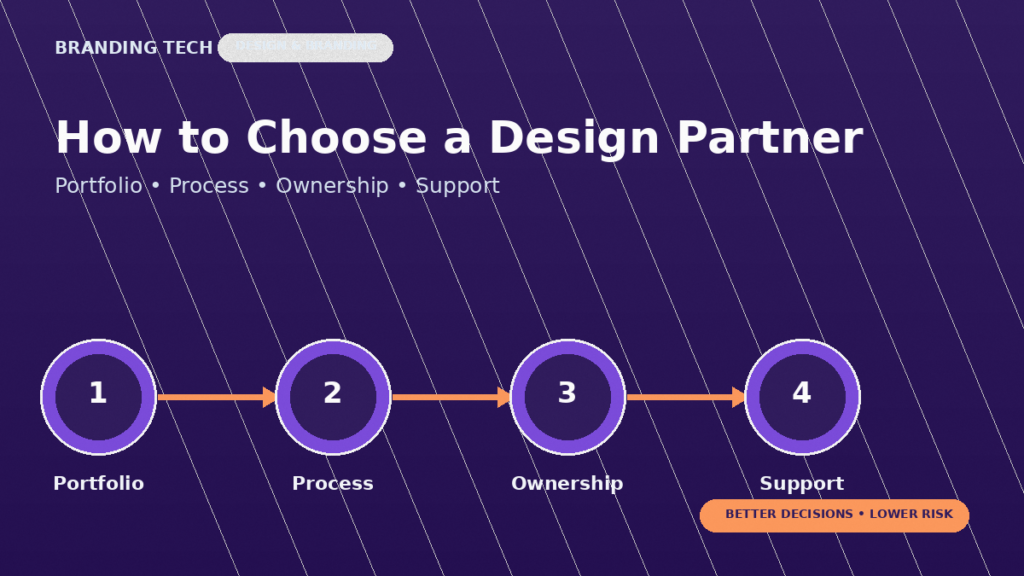
A practical checklist for choosing the right design partner in Malaysia.
Branding Tech connects design with business growth. We support branding, company profiles, websites, content, SEO, digital advertising, and AI automation. This allows the visual work to support the wider customer journey.
We begin by understanding the audience and goal. Then we recommend the most useful service instead of adding work that the business does not need.
If your main priority is selling online, our ecommerce web design Malaysia guide explains what an online store should include. If your website is ready but needs more visitors, the website marketing Malaysia guide shows how design, content, SEO, and advertising work together.
Prices depend on the scope, experience, number of concepts, revisions, and final files. A small graphic-design task costs less than a complete identity or website. Ask for a written scope before comparing prices.
A simple item may take a few days. A brand identity, company profile, or website may take several weeks. The timeline also depends on how quickly your team provides content and approvals.
Choose a specialist for one focused task. Choose a full-service agency when the project needs connected skills such as branding, content, website development, SEO, and advertising.
The files depend on the project. Ask for formats suitable for web, print, and future editing where relevant. The quotation should clearly state which source and final files are included.
The right design company in Malaysia should make your business clearer, not more complicated. It should understand your audience, explain its process, and deliver work that supports a real goal.
Start with the business problem. Compare relevant experience, scope, ownership, communication, and support. Good design is not only decoration. It is a practical tool that helps customers recognise, understand, and trust your brand.
Building a website is only the first step. People must still find it, understand the offer, and take action. Website marketing in Malaysia brings together SEO, content, advertising, social media, email, and conversion improvement to turn a website into a useful business channel.
Many companies spend money on a new site but do not plan how visitors will arrive. Others attract traffic but cannot explain which campaigns produce enquiries or sales. A clear website marketing plan connects traffic, user experience, tracking, and follow-up.
This guide shows Malaysian businesses how to create that plan in a practical way.
Do not begin with a platform or campaign. Begin with the result you want. The goal may be enquiries, WhatsApp conversations, bookings, online sales, quotation requests, registrations, or store visits.
Choose one main result for each important page. A service page may lead to a consultation form. A product page may lead to checkout. A location page may lead to a phone call or map direction.
Set a simple measurement. Examples include qualified leads, cost per lead, online revenue, booking rate, or conversion rate.
“Website promotion Malaysia” may include SEO, content, partnerships, and campaigns. “Online marketing Malaysia” is wider and may also include social media or email. “Digital marketing for websites Malaysia” should connect traffic with a clear conversion goal.
“SEO and website marketing Malaysia” supports long-term search visibility. “Website advertising Malaysia” can bring faster visits. “Website lead generation Malaysia” focuses on turning those visits into enquiries. A strong plan connects all three areas.
Marketing cannot fix a confusing website. Before spending more, review the main pages from a customer’s view.
Visitors should quickly understand what the business offers, who it serves, and why they should trust it. The main action should be visible on mobile and desktop.
Check page speed, contact forms, WhatsApp links, phone numbers, product information, and payment steps. Send test enquiries and confirm that the team receives them.
If the website needs structural improvement, the web designer KL and web developer Malaysia guides can help you identify the right type of support.
Search engine optimisation helps your website appear when people look for relevant services or information. It usually takes time, but strong pages can continue bringing visitors without paying for every click.
Start with keywords that match your services, locations, and customer questions. Group similar keywords under one useful page instead of creating many weak pages with the same meaning.
Each page needs a clear title, one main heading, logical subheadings, useful content, internal links, and a focused call to action. Technical performance, mobile usability, indexability, and page speed also matter.
For local SEO, keep your company name, address, phone, hours, and service details consistent. Build useful location pages only when you genuinely serve those areas.
Google Ads can reach people who are actively searching. Meta and TikTok can introduce an offer to selected audiences. The best channel depends on the product, customer journey, creative material, budget, and goal.
Send each advertisement to a page that matches its message. A general homepage may not answer the specific promise in the advertisement. A focused landing page often gives visitors a clearer next step.
Track forms, calls, messages, bookings, and purchases. Without conversion tracking, the team may increase spending based on clicks instead of business results.
Begin with a controlled budget and clear test. Improve the offer, audience, creative, page, and follow-up before scaling.
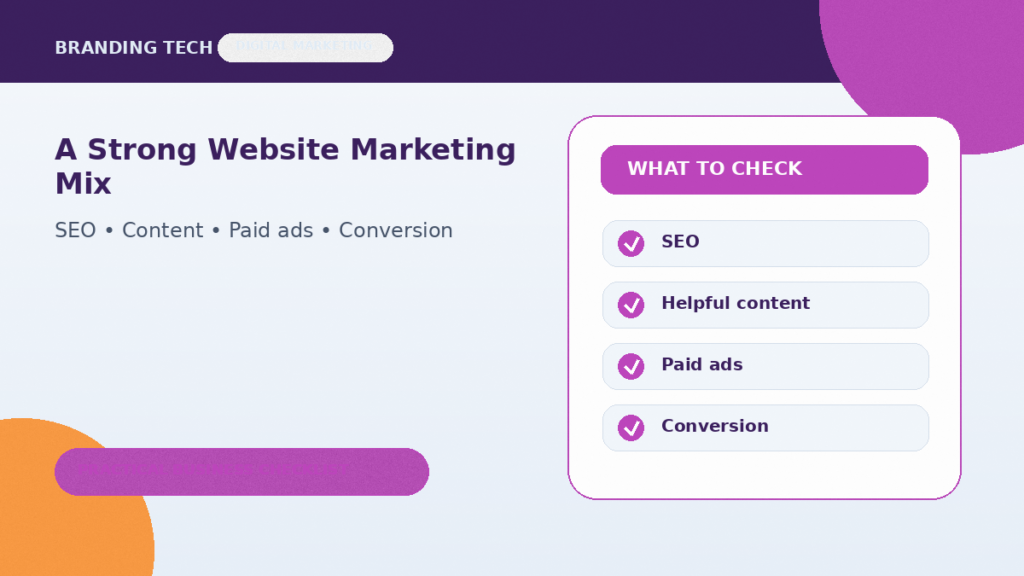
A balanced website marketing mix for Malaysian businesses.
Good content answers questions and reduces uncertainty. It may include guides, comparisons, case studies, FAQs, and videos.
Write for people first. Use simple language and real examples. Avoid repeating keywords until the content becomes difficult to read.
Content should support different stages. An educational guide helps someone understand a problem. A service page explains the solution. A case study shows proof. A clear contact page makes action easy.
Connect related articles so readers can move naturally between topics. For example, a business planning an online store can continue to the ecommerce web design Malaysia guide, while a company comparing creative partners can read the design company in Malaysia guide.
More traffic does not always mean more sales. Conversion improvement focuses on what visitors do after they arrive.
Review the main page message, trust signals, forms, buttons, pricing information, images, FAQs, and mobile layout. Remove unnecessary steps and explain what happens after an enquiry.
Small improvements can matter. A clearer headline, shorter form, stronger proof, or faster page may help more visitors complete the next step.
A website lead has value only when the team follows up. Decide who receives each enquiry, how quickly they should respond, and what information they need.
Use forms that collect enough information to qualify the lead without becoming too long. Connect leads with email, a CRM, messaging tools, or automation where useful.
Track the journey from source to sale. This helps the business understand which keywords, advertisements, pages, and campaigns bring better customers.
The MDEC Business Digitalisation Initiative supports the idea that digital tools should improve productivity and competitiveness. Marketing works better when the website, data, communication, and business process support each other.
The provider should explain the audience, offer, channels, content, tracking, and expected learning process. Avoid a company that recommends every channel without understanding your budget or sales process.
Review work with a similar goal. Ask which results were measured and what the provider changed to improve performance.
Your business should control the website, domain, analytics, advertising accounts, pixels, customer data, and important tools. Give the agency access instead of allowing it to own the accounts.
Reports should connect activity with results. Useful measures may include qualified leads, sales, conversion rate, cost per result, revenue, and return on advertising spend.
Confirm who provides content, approves advertisements, updates pages, follows leads, and reviews results. Marketing becomes slow when ownership is unclear.
Do not send every campaign to the homepage or measure only traffic. Match each campaign with a useful page, track qualified results, and improve slow sales follow-up. Give SEO and campaigns enough time to produce reliable data before making major changes.
Website marketing metrics that support better business decisions.
Branding Tech combines website design, SEO, content, paid advertising, branding, and AI automation. We help businesses connect the website with traffic generation and lead follow-up.
Our process begins with the goal and customer journey. We then recommend the pages, tracking, content, and channels that fit the budget.
We focus on clear reporting and practical improvements. The aim is not to create more marketing activity. It is to create a system that helps the business attract, understand, and convert the right customers.
Website marketing is the work used to attract visitors and turn them into leads or customers. It may include SEO, content, paid ads, social media, email, conversion improvement, and tracking.
The answer depends on demand, audience, offer, budget, and sales cycle. Search marketing may suit active demand, while social advertising may help introduce an offer. Begin with the channel closest to the goal.
SEO usually needs several months of consistent technical, content, and authority work. Timing depends on the website, competition, location, and quality of execution.
Track qualified enquiries, sales, bookings, cost per result, conversion rate, and revenue. Connect these results with the original traffic source where possible.
Effective website marketing in Malaysia connects the right audience with a clear offer and a useful page. It also tracks what happens after the visit.
Start with the business result. Fix the website, choose focused channels, measure real conversions, and improve follow-up. When these parts work together, the website becomes more than an online brochure. It becomes part of the sales system.
A good website should help people understand your business quickly. It should also make it easy to call, send a WhatsApp message, request a quotation, make a booking, or buy a product. For companies searching for website design in Johor Bahru, the main goal should be business results, not only appearance.
Johor Bahru has a growing mix of local businesses, manufacturers, retailers, restaurants, property companies, education providers, and service firms. Many also serve customers in Singapore or other parts of Malaysia. This makes clear content, mobile performance, and local search visibility especially important.
This guide explains what to include in your website, how to compare providers, and how to avoid common mistakes.
Before choosing colours or layouts, decide what the website must achieve. A company profile site may need to build trust and generate enquiries. An ecommerce site must display products, accept payments, and support delivery.
Write one main goal for the website. Examples include generating qualified leads, increasing bookings, explaining services, selling products, recruiting staff, or helping customers find a branch.
Your goal guides the page structure, content, features, tracking, and call to action.
Search terms can describe different service levels. “Web design Johor” may show freelancers and agencies. “Web design company Johor Bahru” usually points to a wider team. “Website designer Johor Bahru” often refers to one specialist.
“Website development Johor” is more technical and may include coding or integrations. “Ecommerce website Johor Bahru” focuses on online selling. “SEO website design Johor” combines design with search visibility. Check the actual scope before choosing.
Most business websites need a clear homepage, service or product pages, an About page, contact information, and a privacy page. Other pages depend on the business.
A strong homepage explains who you help, what you offer, and why customers should trust you. Visitors should not need to search through several sections to understand the business.
Service pages should answer common customer questions. They should explain the problem, the solution, the process, and the next step. Product pages need useful descriptions, clear images, prices where suitable, and delivery or return information.
For a local Johor Bahru business, include the correct company name, address, phone number, operating hours, and service area. These details should match the information on your Google Business Profile and other online listings.
Many customers will first open your website on a phone. A desktop design that looks attractive can still fail if the mobile version is slow or difficult to use.
Buttons should be easy to press. Text should be readable without zooming. Forms should ask only for necessary information.
Ask the website team to test several screen sizes. The team should also check menus, forms, payment steps, images, and links before launch.
Search engine optimisation should not begin after the website is complete. Page structure, headings, URLs, content, speed, and mobile usability all affect how search engines understand a site.
For local SEO, each important service needs a useful page. A single page with a long list of services may not provide enough information. If you serve Johor Bahru and nearby areas, location information should appear naturally where it helps the reader.
Avoid repeating “Johor Bahru” in every sentence. This feels unnatural and can make the page difficult to read. Use the main keyword in the title, introduction, one or two headings, and other relevant places.
Businesses that need a wider technical partner may also read our web developer Malaysia guide. If the main goal is online selling, the ecommerce web design Malaysia guide gives more detailed advice.
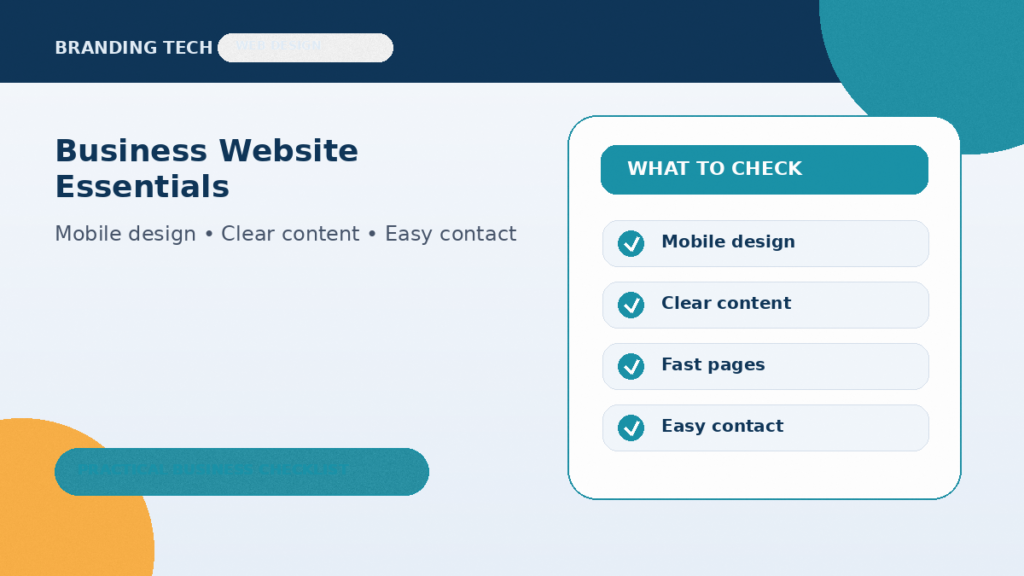
Your website may need more than standard pages. Discuss these features early because they affect the budget and timeline.
Do not add features only because they sound modern. Each feature should solve a real customer or business problem.
Open websites from the portfolio on both desktop and mobile. Check whether the pages load well, explain the business clearly, and guide visitors toward an action.
Ask what the provider actually completed. Some companies show projects where they handled only one small part.
A clear proposal should list the number of pages, design work, content responsibilities, features, revision rounds, SEO setup, testing, training, hosting, maintenance, and delivery date.
Ask what is not included. This prevents surprise costs for content writing, paid plugins, product uploads, translation, images, or extra changes.
Your company should control the domain, hosting, website administrator account, analytics, and other important tools. The provider can receive access, but the main ownership should stay with your business.
Also confirm who owns the design, text, and custom code after full payment.
A website needs updates, backups, security checks, and small improvements. Ask whether the package includes a warranty period or monthly maintenance.
Find out how to report a problem and how quickly the team normally responds. A clear support process is more useful than a general promise of “lifetime support.”
There is no single price for website design in Johor Bahru. Cost depends on the number of pages, custom design, content, languages, products, payment systems, integrations, and support.
A template-based company website usually costs less than a custom platform. An ecommerce site costs more because it needs product setup, payment, delivery, security, and testing.
Ask providers to separate one-time costs from yearly or monthly costs. Recurring items may include domain renewal, hosting, licences, maintenance, and support.
Do not compare prices without comparing scope. A low quotation may exclude content, SEO, testing, security, or training.
Do not launch without testing forms, links, mobile pages, or tracking. Send test enquiries and confirm that the right person receives them. Also plan maintenance because old software, broken forms, and outdated information can damage trust.
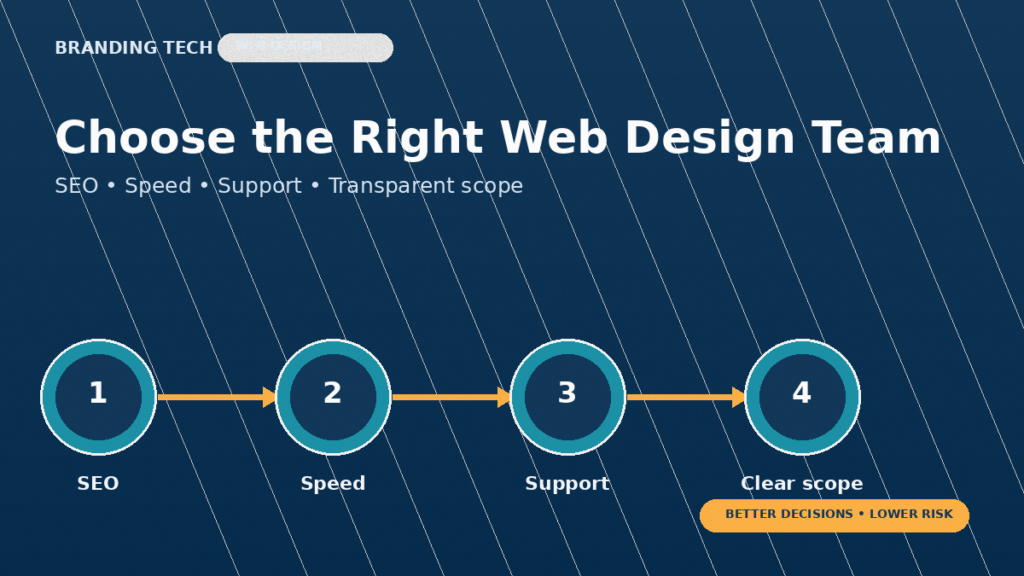
Branding Tech provides website design, SEO, content, branding, advertising, and automation support for Malaysian businesses. We connect the website with the wider marketing and lead-management process.
We can help plan the page structure, create clear content, build responsive pages, improve search visibility, and connect enquiries with the tools used by your team.
If you are comparing a do-it-yourself platform with professional development, read our website builder Malaysia guide. It explains when a builder is suitable and when a custom team is the safer choice.
A simple site may take a few weeks. A larger site can take longer because of content, features, products, integrations, testing, and approvals. Ask for a stage-by-stage timeline.
Choose languages based on your customers and staff capacity. It is better to maintain one strong language than publish several weak or outdated versions. Add more languages when there is a clear business need.
Yes, at least basic SEO should be included. The site needs clear page titles, headings, URLs, mobile performance, internal structure, and useful content. Ongoing SEO may be needed for competitive keywords.
Most modern content systems allow trained staff to update text, images, posts, and products. Ask the provider for administrator access and basic training before project completion.
The right website design partner in Johor Bahru should understand your goal, audience, and daily business process. It should give you a clear scope, protect your account ownership, and provide realistic support.
Choose a website that is fast, mobile-friendly, easy to understand, and ready for future marketing. A useful website does not only represent the business. It helps the business move forward.
Choosing a software development company in Malaysia is an important business decision. Custom software can reduce repeated work, connect departments, improve reporting, and create a better customer experience. A poorly planned system can become expensive, difficult to use, and hard to maintain.
The first step is not choosing a programming language. It is understanding the business problem. A good development partner should ask how your team works today, where mistakes happen, and what result you want after the system is launched.
This guide explains when custom software is useful, how projects normally work, and what to check before signing a contract.
Software development company Malaysia for practical business systems.
Many companies begin with spreadsheets, messaging apps, and ready-made online tools. These options may work well at the start. Problems appear when data is repeated, staff follow different processes, or several tools do not communicate.
Custom software may help when your business needs a special booking flow, customer portal, operations dashboard, approval process, inventory system, mobile app, or connection between existing platforms.
It may also help when staff spend many hours copying information or preparing reports manually. The software should save time, reduce errors, or create new value. If it does not produce a clear benefit, a ready-made tool may be the better choice.
“Custom software development Malaysia” means building around a specific business process. A “software company Malaysia” search may show product sellers and custom developers. “Business software developer Malaysia” often focuses on internal systems.
An “application development company Malaysia” may build web or mobile apps. A “software solutions company Malaysia” can combine tools, integration, and support. “Enterprise software Malaysia” projects usually need stronger security, permissions, documentation, and maintenance.
A ready-made platform is usually faster and cheaper to start. It has common features, support, and regular updates. The business may need to adjust its process to fit the tool.
Custom software is designed around your requirements. It offers more control but needs a larger budget, clearer planning, testing, maintenance, and long-term technical support.
Before choosing custom development, review existing platforms. Sometimes a simple integration or automation can solve the problem without building a full system.
The MDEC Business Digitalisation Initiative encourages Malaysian businesses to assess their digital maturity and adopt suitable solutions. This is a useful principle: choose the level of technology that matches the problem and the company’s ability to manage it.
Software companies may provide different services. These can include:
Not every provider offers every service. Look for experience related to your project type and risk level.
You do not need to write a technical document before the first meeting. Start with the business situation.
Explain who will use the system, what they need to do, which information they need, and what problems they face today. List the existing tools that may need to connect with the new system.
Separate essential features from useful future features. This helps the provider plan a realistic first version. Large projects are often safer when divided into stages.
Also decide who inside your company will answer questions, review progress, and approve work. Software projects slow down when decisions are unclear.
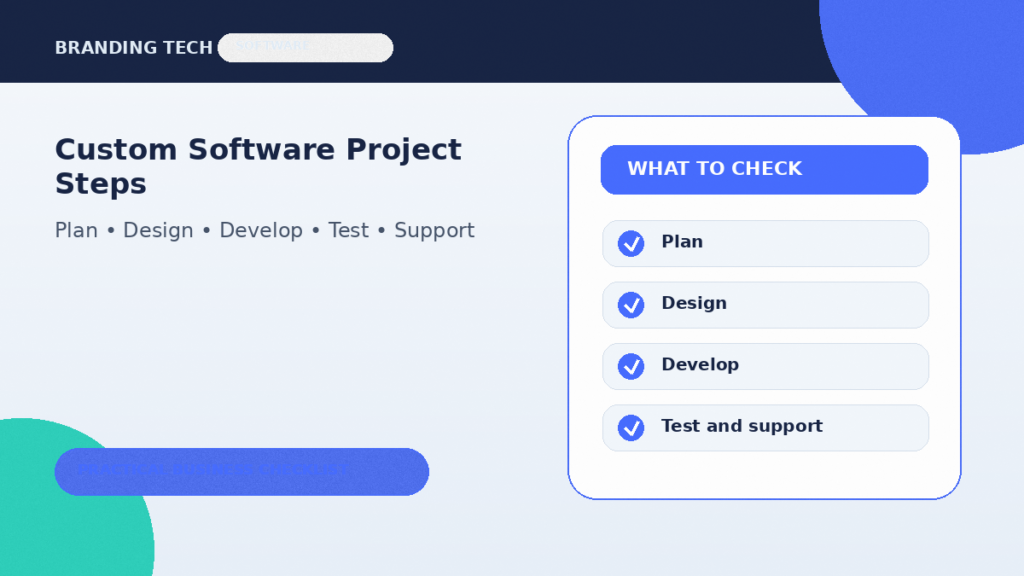
The main steps in a custom software development project.
The development team studies the business process, users, goals, data, risks, and integrations. It then prepares a scope, system plan, timeline, and budget.
The team plans screens, forms, menus, and user journeys. Simple prototypes help your staff review the flow before development becomes expensive to change.
Developers build the system in planned stages. Regular demonstrations allow the business to see progress and provide feedback.
Testing checks functions, permissions, calculations, integrations, performance, and mobile behaviour. Your own users should also test realistic tasks before approval.
The team prepares the live system, transfers data where required, trains users, and monitors early problems.
Software needs security updates, bug fixes, backups, monitoring, and improvements. The maintenance plan should be clear before launch.
Relevant experience matters more than a long technology list. Ask how the provider solved a similar problem.
Request a demonstration or case study where possible. Ask which parts its own team completed.
The company should explain technical decisions in clear language. Confirm who manages the project, how often you will receive updates, and how changes will be recorded.
Good communication is especially important when business staff and developers use different terms.
The proposal should show features, exclusions, stages, timeline, responsibilities, testing, training, data work, and support.
Ask how new requests will affect the cost and schedule. A written change process protects both sides.
Confirm who owns the source code, design, database, documentation, accounts, and intellectual property after payment. Your company should control production accounts and business data.
Ask whether the system uses licensed third-party components and what recurring costs apply.
Discuss user permissions, secure login, backups, data storage, testing, and incident response. The level of security should match the sensitivity of the information.
If the system handles personal or payment data, make sure the team understands the relevant responsibilities.
Cost depends on the number of users, features, integrations, data, security, design, testing, and support. A simple internal tool costs less than a customer platform with mobile apps and complex integrations.
Ask for costs by project stage. Separate discovery, design, development, data migration, hosting, licences, training, and maintenance.
Do not choose only by the lowest estimate. An unclear low quote may grow after work begins. A detailed scope makes comparison more reliable.
One mistake is trying to build every idea in the first version. Start with the most valuable workflow and prove it works. Future stages can add lower-priority features.
Another mistake is copying a bad manual process into software. Improve the process before automating it.
Companies also underestimate data quality. Old, incomplete, or duplicated data can delay the project. Plan who will clean and approve information.
Finally, do not treat launch as the end. Software needs an owner inside the business, user feedback, maintenance, and regular improvement.
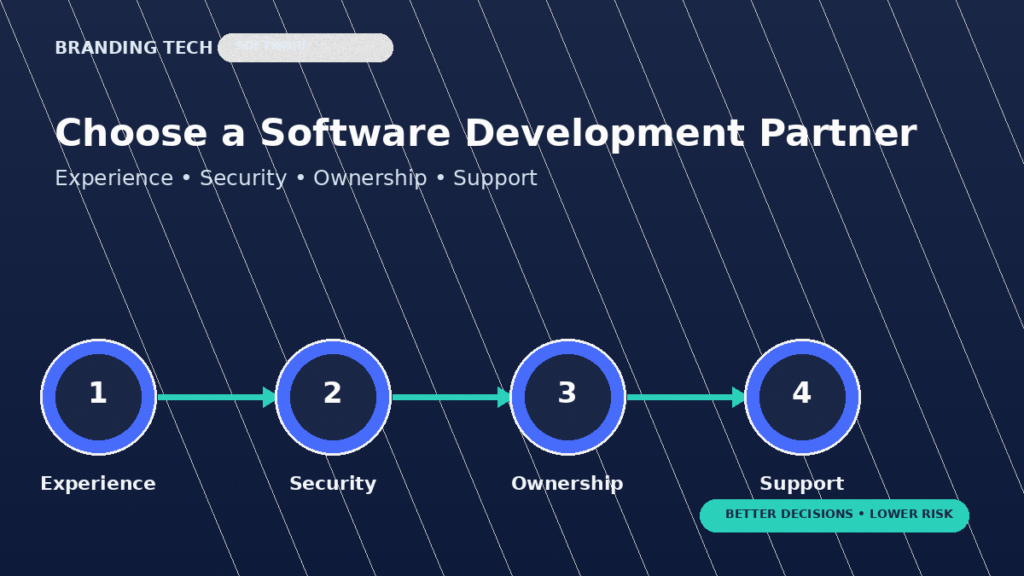
How to choose a software development partner in Malaysia.
Branding Tech focuses on websites, digital marketing, SEO, branding, content, and AI automation. We can help businesses improve customer journeys, connect lead forms and communication tools, and reduce repeated marketing or follow-up work.
For large custom systems, advanced mobile applications, or specialist enterprise software, a dedicated software development provider may be required. We can help clarify the digital goal and identify where website, automation, or specialist development fits.
Small systems may take several weeks, while complex platforms can take many months. The timeline depends on requirements, integrations, data, testing, feedback, and approvals.
Usually no. A focused first version reduces risk and allows real users to test the main process. Add more features after the core workflow is stable.
The contract should state ownership clearly. Your business should also control its data and important production accounts. Ask about third-party licences and reusable components.
Support may include monitoring, backups, bug fixes, security updates, user help, and planned improvements. Agree on response times and monthly or yearly costs.
The right software development company in Malaysia should understand your business before recommending technology. It should provide a clear process, realistic scope, careful testing, and dependable support.
Begin with one important problem. Protect ownership of your accounts and data, involve real users, and plan maintenance early. Custom software creates value when it makes work simpler, safer, and easier to measure.
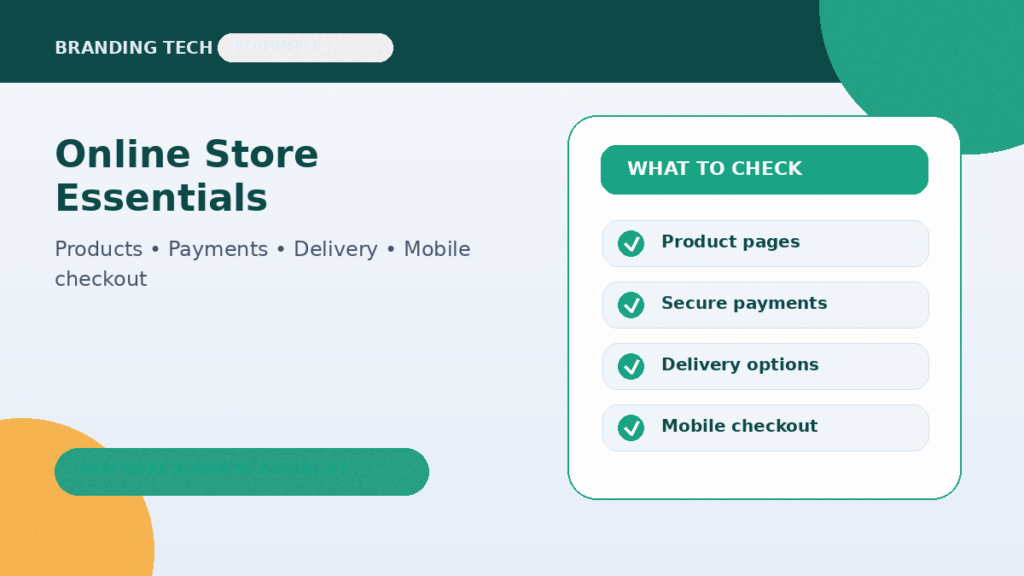
An online store must do more than display products. It needs to help customers find the right item, trust the seller, make payment, and understand delivery. Good ecommerce web design in Malaysia connects all these steps in one simple journey.
Malaysian shoppers use mobile phones, online banking, cards, e-wallets, messaging apps, and marketplace platforms. Your website should fit the way your customers already shop. It should also give your team a practical way to manage products, orders, stock, and customer questions.
This guide explains the main features to plan, the questions to ask a provider, and the mistakes that can reduce online sales.
Start with the business model. Are you selling physical products, digital products, services, subscriptions, bookings, or wholesale items? Each model needs a different customer journey.
Next, decide whether the website will be your main sales channel or one part of a wider system. Some businesses sell through their own site and marketplaces. Others use social media to attract buyers and send them to the store.
Set clear goals such as increasing direct sales, collecting wholesale enquiries, reducing manual orders, reaching customers outside your current area, or building a customer database.
These goals will guide the platform, features, payment methods, content, and marketing plan.
“Ecommerce website design Malaysia” often focuses on the store layout and customer journey. “Online store development Malaysia” may also include payments, delivery rules, product setup, and integrations.
A “WooCommerce developer Malaysia” provider works mainly with WordPress stores. “Ecommerce web development Malaysia” may cover custom functions. “Online shopping website Malaysia” and “ecommerce website company Malaysia” are wider searches, so compare the exact scope and support.
Several platforms can support an online store. WordPress with WooCommerce offers flexibility and control. Hosted builders can be easier to manage. Custom development may be suitable when the business has special processes or integrations.
There is no perfect platform for every company. The best choice depends on product volume, expected traffic, staff skills, payment needs, integrations, budget, and future plans.
Ask whether your team can manage products and orders after launch. Also ask about monthly fees, paid applications, transaction charges, hosting, licences, and future development costs.
Our website builder Malaysia guide explains the difference between do-it-yourself platforms and professional development in more detail.
A product page should answer the questions a customer would normally ask a salesperson. It needs a clear name, useful description, price, images, options, stock status, delivery information, and return details.
Use simple language. Explain important sizes, materials, warranty, care instructions, or compatibility.
Images should show the product clearly. Add close-up views when details matter.
The main action button should be easy to find. Avoid distracting pop-ups around it.
Payment options can affect trust and conversion. Depending on the business, customers may expect online banking, cards, e-wallets, or other local methods.
Choose a recognised payment provider and understand its fees, settlement time, refund process, and supported payment types. Your website team should connect the payment system securely and test successful, failed, cancelled, and refunded transactions.
Do not collect sensitive card details directly unless your company has the systems and compliance required. Use a suitable payment gateway to handle the transaction.
Customers need to know where you deliver, how much it costs, and how long it may take. Show this information before the final payment step where possible.
The website may need flat-rate delivery, area-based charges, weight-based charges, free-delivery rules, store pickup, or connection with a courier service.
After purchase, send a clear order confirmation and explain who customers can contact for help.
For businesses with many manual steps, a web programming company may help connect the store with stock, accounting, delivery, or customer systems.
Search optimisation helps product and category pages appear when people look for relevant items. Each important category needs a clear name, useful introduction, correct headings, and readable URL.
Product descriptions should be helpful and original. If many websites use the same supplier text, it is harder for your page to stand out.
Create content that answers customer questions. Buying guides, comparisons, size guides, care instructions, and frequently asked questions can support both search visibility and purchase decisions.
The MDEC Business Digitalisation Initiative highlights how digital tools can improve business efficiency and competitiveness. An ecommerce site can support this when it reduces manual work and gives the company useful sales data.
Ask to see stores the company has built. Test the mobile journey, product filters, cart, and checkout. Find out which parts the provider completed and which platform it used.
The quotation should explain design, development, product setup, payment, delivery rules, content, SEO, tracking, testing, training, and support. Confirm how many products and variations are included.
Your business should control the domain, hosting, store administrator account, payment account, analytics, and customer data. Keep the main ownership even when the provider manages the system.
The team should keep the platform and extensions updated, protect administrator access, use secure connections, and create backups. Ask how the site will be restored if something fails.
New stores often need small corrections after real customers start using them. Ask about the warranty period, maintenance options, and response time for urgent payment or checkout problems.
Cost depends on the platform, custom design, number of products, variations, payment methods, delivery rules, languages, integrations, and support.
A small store with a standard process costs less than a custom marketplace or wholesale portal. Product photography, copywriting, data entry, paid plugins, and advanced automation may be separate costs.
Ask for both setup and recurring costs. Recurring items may include hosting, domain renewal, platform fees, applications, licences, maintenance, and payment charges.
Compare the full scope, not only the starting price. Missing testing, content, tracking, or support can cost more later.
Another mistake is hiding delivery or return information. Customers may leave the checkout when unexpected costs appear. Make important policies easy to find.
Some businesses depend only on a website launch and forget marketing. A store needs traffic from SEO, advertising, social media, email, partnerships, or existing customers.
Finally, do not ignore order management. If staff must copy every order into several systems, growth creates more mistakes. Plan how orders, stock, customer messages, and reports will work together.
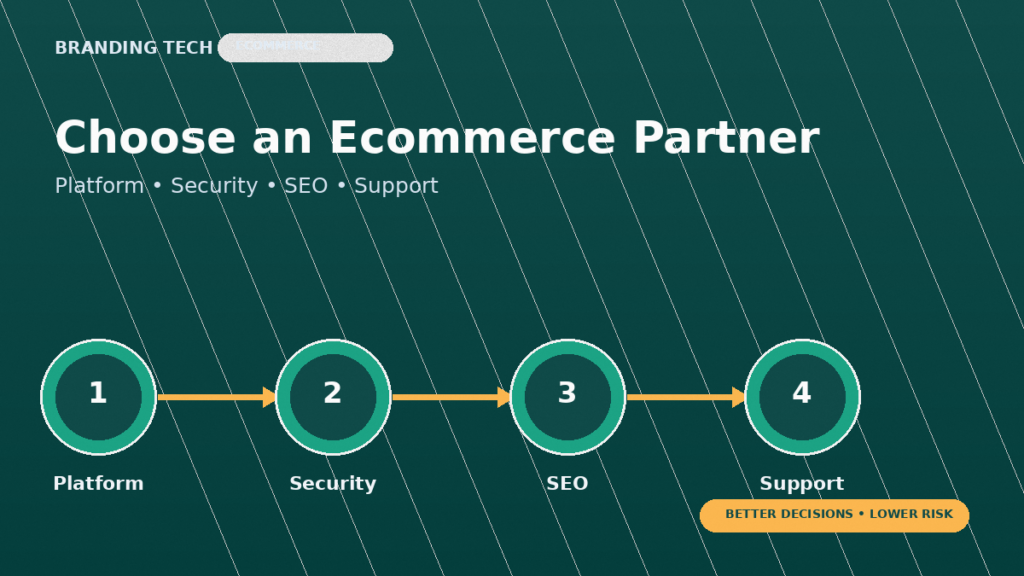
Branding Tech supports ecommerce website design, content, SEO, advertising, branding, and automation. We focus on the complete customer journey, from the first visit to the order and follow-up.
We can help plan page structure, product presentation, mobile design, tracking, and connections with marketing tools. The solution should fit the real business process and budget.
After launch, our website marketing Malaysia guide can help you plan how to attract qualified visitors and measure which channels produce sales.
The best platform depends on your products, staff, budget, payments, integrations, and growth plan. Compare management ease, ownership, recurring costs, and available support before choosing.
Launch with the number your team can manage accurately. A smaller store with strong product pages is better than a large store with missing images, wrong stock, or unclear descriptions.
Most online stores need a secure payment provider. The right option depends on your customer preferences, fees, settlement schedule, and supported methods.
SEO can bring relevant visitors to product and category pages. Sales still depend on product demand, price, trust, content, delivery, checkout, and customer service.
Successful ecommerce web design in Malaysia combines clear product information, mobile usability, trusted payments, simple delivery rules, useful content, and reliable support.
Choose a provider that understands both the customer journey and the daily work behind each order. A well-planned store should make buying easier for customers and management easier for your team.
A good website should help people understand your business quickly. It should also make it easy to call, send a WhatsApp message, request a quotation, make a booking, or buy a product. For companies searching for website design in Johor Bahru, the main goal should be business results, not only appearance.
Johor Bahru has a growing mix of local businesses, manufacturers, retailers, restaurants, property companies, education providers, and service firms. Many also serve customers in Singapore or other parts of Malaysia. This makes clear content, mobile performance, and local search visibility especially important.
This guide explains what to include in your website, how to compare providers, and how to avoid common mistakes.
Before choosing colours or layouts, decide what the website must achieve. A company profile site may need to build trust and generate enquiries. An ecommerce site must display products, accept payments, and support delivery.
Write one main goal for the website. Examples include generating qualified leads, increasing bookings, explaining services, selling products, recruiting staff, or helping customers find a branch.
Your goal guides the page structure, content, features, tracking, and call to action.
Search terms can describe different service levels. “Web design Johor” may show freelancers and agencies. “Web design company Johor Bahru” usually points to a wider team. “Website designer Johor Bahru” often refers to one specialist.
“Website development Johor” is more technical and may include coding or integrations. “Ecommerce website Johor Bahru” focuses on online selling. “SEO website design Johor” combines design with search visibility. Check the actual scope before choosing.
Most business websites need a clear homepage, service or product pages, an About page, contact information, and a privacy page. Other pages depend on the business.
A strong homepage explains who you help, what you offer, and why customers should trust you. Visitors should not need to search through several sections to understand the business.
Service pages should answer common customer questions. They should explain the problem, the solution, the process, and the next step. Product pages need useful descriptions, clear images, prices where suitable, and delivery or return information.
For a local Johor Bahru business, include the correct company name, address, phone number, operating hours, and service area. These details should match the information on your Google Business Profile and other online listings.
Many customers will first open your website on a phone. A desktop design that looks attractive can still fail if the mobile version is slow or difficult to use.
Buttons should be easy to press. Text should be readable without zooming. Forms should ask only for necessary information.
Ask the website team to test several screen sizes. The team should also check menus, forms, payment steps, images, and links before launch.
Search engine optimisation should not begin after the website is complete. Page structure, headings, URLs, content, speed, and mobile usability all affect how search engines understand a site.
For local SEO, each important service needs a useful page. A single page with a long list of services may not provide enough information. If you serve Johor Bahru and nearby areas, location information should appear naturally where it helps the reader.
Avoid repeating “Johor Bahru” in every sentence. This feels unnatural and can make the page difficult to read. Use the main keyword in the title, introduction, one or two headings, and other relevant places.
Businesses that need a wider technical partner may also read our web developer Malaysia guide. If the main goal is online selling, the ecommerce web design Malaysia guide gives more detailed advice.
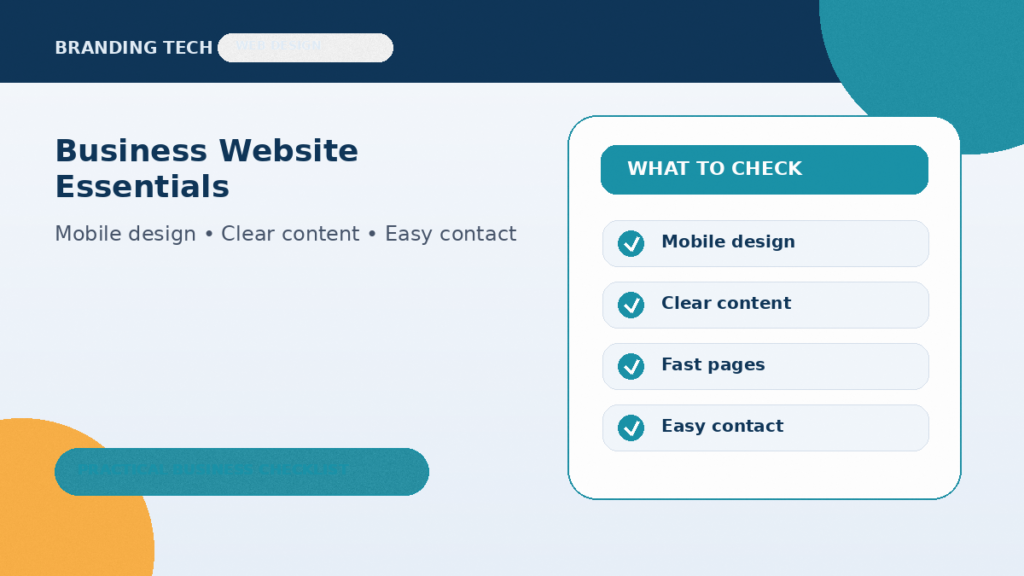
Your website may need more than standard pages. Discuss these features early because they affect the budget and timeline.
Do not add features only because they sound modern. Each feature should solve a real customer or business problem.
Open websites from the portfolio on both desktop and mobile. Check whether the pages load well, explain the business clearly, and guide visitors toward an action.
Ask what the provider actually completed. Some companies show projects where they handled only one small part.
A clear proposal should list the number of pages, design work, content responsibilities, features, revision rounds, SEO setup, testing, training, hosting, maintenance, and delivery date.
Ask what is not included. This prevents surprise costs for content writing, paid plugins, product uploads, translation, images, or extra changes.
Your company should control the domain, hosting, website administrator account, analytics, and other important tools. The provider can receive access, but the main ownership should stay with your business.
Also confirm who owns the design, text, and custom code after full payment.
A website needs updates, backups, security checks, and small improvements. Ask whether the package includes a warranty period or monthly maintenance.
Find out how to report a problem and how quickly the team normally responds. A clear support process is more useful than a general promise of “lifetime support.”
There is no single price for website design in Johor Bahru. Cost depends on the number of pages, custom design, content, languages, products, payment systems, integrations, and support.
A template-based company website usually costs less than a custom platform. An ecommerce site costs more because it needs product setup, payment, delivery, security, and testing.
Ask providers to separate one-time costs from yearly or monthly costs. Recurring items may include domain renewal, hosting, licences, maintenance, and support.
Do not compare prices without comparing scope. A low quotation may exclude content, SEO, testing, security, or training.
Do not launch without testing forms, links, mobile pages, or tracking. Send test enquiries and confirm that the right person receives them. Also plan maintenance because old software, broken forms, and outdated information can damage trust.
Branding Tech provides website design, SEO, content, branding, advertising, and automation support for Malaysian businesses. We connect the website with the wider marketing and lead-management process.
We can help plan the page structure, create clear content, build responsive pages, improve search visibility, and connect enquiries with the tools used by your team.
If you are comparing a do-it-yourself platform with professional development, read our website builder Malaysia guide. It explains when a builder is suitable and when a custom team is the safer choice.
A simple site may take a few weeks. A larger site can take longer because of content, features, products, integrations, testing, and approvals. Ask for a stage-by-stage timeline.
Choose languages based on your customers and staff capacity. It is better to maintain one strong language than publish several weak or outdated versions. Add more languages when there is a clear business need.
Yes, at least basic SEO should be included. The site needs clear page titles, headings, URLs, mobile performance, internal structure, and useful content. Ongoing SEO may be needed for competitive keywords.
Most modern content systems allow trained staff to update text, images, posts, and products. Ask the provider for administrator access and basic training before project completion.
The right website design partner in Johor Bahru should understand your goal, audience, and daily business process. It should give you a clear scope, protect your account ownership, and provide realistic support.
Choose a website that is fast, mobile-friendly, easy to understand, and ready for future marketing. A useful website does not only represent the business. It helps the business move forward.
Choosing a design company in Malaysia can feel difficult. Many agencies show attractive work, but good design must do more than look nice. It should help customers understand your business, trust your brand, and take the next step.
Malaysia is a mixed market with different languages, cultures, industries, and customer habits. A design that works for one audience may not work for another. Your chosen team should understand who you want to reach and what action you want people to take.
This guide explains what a design company does, what to check before hiring one, and how to get better value from your project.
Design company in Malaysia for a clear and consistent brand.
A design company helps a business present its ideas clearly. Its services include brand identity, logo design, company profiles, social media visuals, packaging, websites, advertising materials, and sales presentations.
Some companies focus only on graphic design. Others combine branding, content, websites, digital marketing, and advertising. The right choice depends on your goal.
Search terms can make the options sound similar. “Branding company in Malaysia” usually points to strategy and identity work. “Graphic design company Malaysia” often refers to a team that creates individual visuals. “Creative agency Malaysia” may cover design, content, and campaigns.
A “website design company Malaysia” search may lead to teams that focus on user experience and mobile design. “Brand identity agency Malaysia” usually points to teams that build complete visual systems. “Corporate design services Malaysia” often covers company profiles, presentations, reports, and sales materials. When choosing an agency in Malaysia, read the actual scope before comparing prices.
For example, a new company may need a complete visual identity. An established business may only need a better website or a more consistent social media style. A retail business may need packaging, while a service company may need a strong company profile and lead-generation landing page.
Before asking for a quotation, write down the main problem. Do customers misunderstand your service? Does your brand look different on every platform? Is your website outdated? A clear problem helps the design team recommend the right work.
Customers often judge a business before they speak with its staff. They may see a logo, Google profile, social media post, brochure, or website first. These small moments create an early impression.
Good design supports trust. It makes information easier to read and gives the business a consistent identity. It also helps customers recognise the same brand across different channels.
Design should also support real business goals. A company profile should help the sales team explain the offer. A website should guide visitors toward an enquiry. A social media post should communicate one clear message. Packaging should help the product stand out while giving buyers the information they need.
Malaysia’s digital market continues to grow, and MDEC’s Business Digitalisation Initiative encourages businesses to use digital tools to improve productivity and competitiveness. Design is part of that journey because customers need a clear and professional experience when they meet a business online.
Most design projects fall into a few main areas.
You may not need all these services at once. Start with the items that affect customers most. If your logo is acceptable but your website is weak, improving the website may produce more value than changing the full identity.
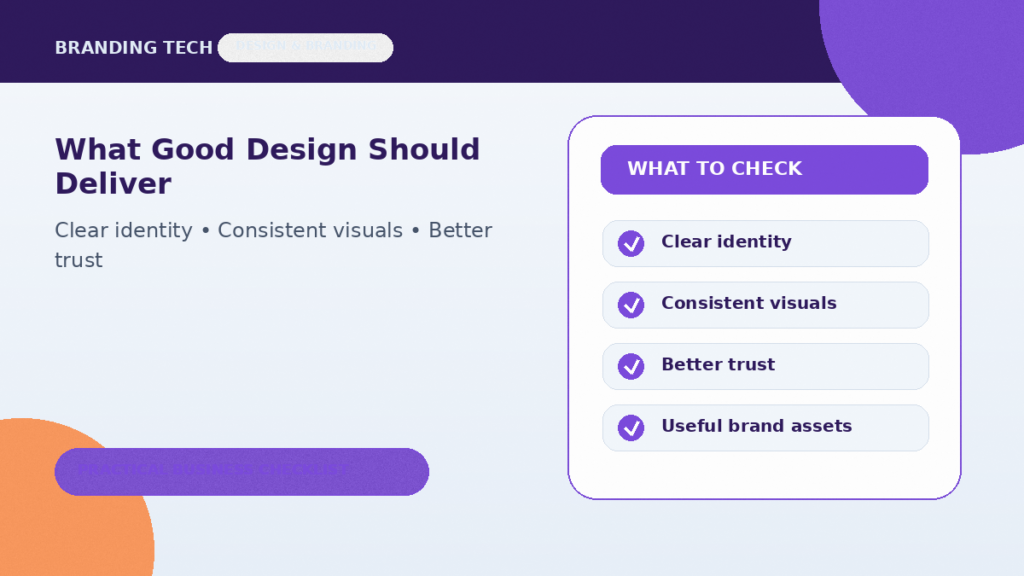
Good business design connects identity, consistency, and customer trust.
A good agency asks who your customers are, what they care about, and how they make decisions. It should not start with colours before understanding the business.
If you serve several Malaysian communities, explain which language and market matter most. The team should plan the message and layout for real readers, not only for an award portfolio.
Look for projects with a similar goal, not only a similar industry. A team that has created clear sales pages may still help a different type of business. Ask what problem the project solved and what part the agency handled.
Do not judge a portfolio only by style. Check whether the design is easy to understand, works on mobile devices, and supports the customer journey.
A clear process reduces delays. Good project managers should explain research, concept development, revisions, approvals, final files, and delivery before the work starts.
Ask how many concepts and revision rounds are included. Confirm who will collect your content and who will approve the work. Slow approvals from either side can affect the timeline.
Your agreement should state what you will receive. For a logo or brand project, ask for the final files in useful formats. For a website, confirm ownership of the domain, hosting account, content, design files, and administrator access.
Keep important accounts under your company’s control. The agency can receive the access needed to work, but your business should remain the main owner.
The cheapest quotation may not include strategy, content, revisions, or complete files. The highest quotation is not automatically the best either.
Compare every proposal using the same list. Review the scope, timeline, experience, communication, number of revisions, file delivery, and support after completion.
One common mistake is asking for design before the message is clear. A beautiful layout cannot fix confusing content. Decide what customers need to know and what action they should take.
Another mistake is giving feedback from too many people. Choose one decision-maker or a small approval group. Collect feedback before sending it to the agency so instructions do not conflict.
Businesses also forget to plan for future use. A logo may need to work on a website, signboard, uniform, social media profile, and small mobile screen. Ask the designer to test important formats.
Finally, avoid copying competitors. Your brand should fit your own audience, values, and position. Inspiration is useful, but your business needs a clear identity of its own.
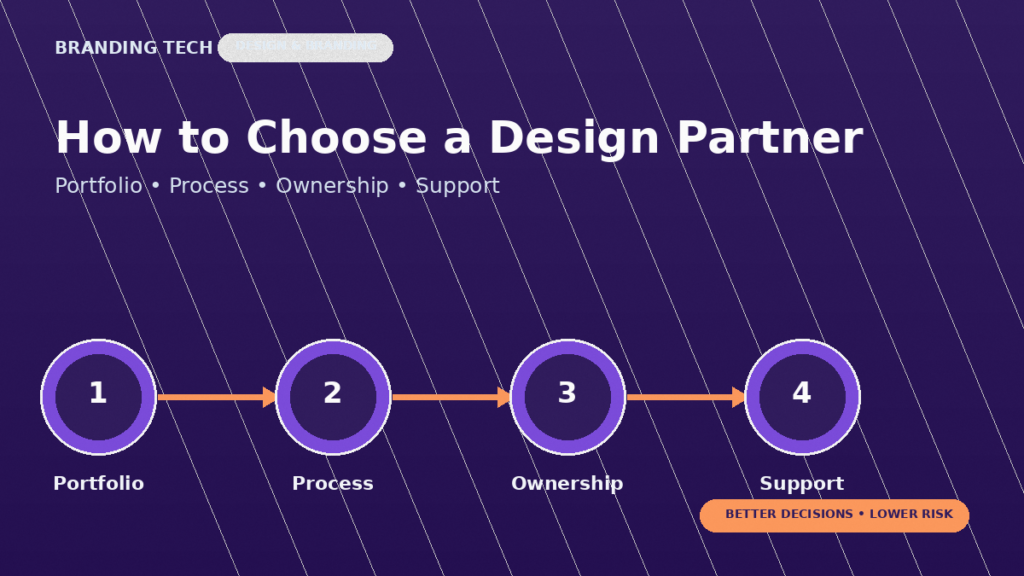
A practical checklist for choosing the right design partner in Malaysia.
Branding Tech connects design with business growth. We support branding, company profiles, websites, content, SEO, digital advertising, and AI automation. This allows the visual work to support the wider customer journey.
We begin by understanding the audience and goal. Then we recommend the most useful service instead of adding work that the business does not need.
If your main priority is selling online, our ecommerce web design Malaysia guide explains what an online store should include. If your website is ready but needs more visitors, the website marketing Malaysia guide shows how design, content, SEO, and advertising work together.
Prices depend on the scope, experience, number of concepts, revisions, and final files. A small graphic-design task costs less than a complete identity or website. Ask for a written scope before comparing prices.
A simple item may take a few days. A brand identity, company profile, or website may take several weeks. The timeline also depends on how quickly your team provides content and approvals.
Choose a specialist for one focused task. Choose a full-service agency when the project needs connected skills such as branding, content, website development, SEO, and advertising.
The files depend on the project. Ask for formats suitable for web, print, and future editing where relevant. The quotation should clearly state which source and final files are included.
The right design company in Malaysia should make your business clearer, not more complicated. It should understand your audience, explain its process, and deliver work that supports a real goal.
Start with the business problem. Compare relevant experience, scope, ownership, communication, and support. Good design is not only decoration. It is a practical tool that helps customers recognise, understand, and trust your brand.
In today's digital economy, your website is often the first impression customers have of your business. Whether you own a small local company, a startup, or an established enterprise, having a professionally designed website is no longer optional—it's essential. If you're searching for a reliable Web Designer KL, you've come to the right place.
A professionally designed website does much more than simply look attractive. It helps establish credibility, improves your search engine visibility, increases customer trust, and converts visitors into paying customers. Businesses throughout Kuala Lumpur are investing in modern websites because they understand that online presence directly influences business growth.
As a trusted Web Designer KL, we specialize in creating websites that combine beautiful design, outstanding performance, and powerful search engine optimization (SEO). Every website we develop is tailored to your business goals while providing an exceptional user experience across desktop, tablet, and mobile devices.
Many businesses still rely on outdated websites that load slowly, are difficult to navigate, or fail to appear on Google search results. Unfortunately, these problems can cost valuable customers every day.
Working with an experienced Web Designer KL provides numerous advantages:
Instead of treating your website as a digital brochure, we design it as a powerful marketing tool that works for your business 24 hours a day.
Creating an effective website requires careful planning and strategy. Every project follows a proven process designed to deliver measurable business results.
We begin by understanding your business, industry, competitors, customers, and long-term objectives. This allows us to develop a website strategy tailored specifically to your brand.
We organize your website structure, user journey, navigation, and content to ensure visitors can easily find the information they need.
Our designers create visually appealing layouts that reflect your company's professionalism while maintaining excellent usability.
We develop your website using modern technologies that ensure speed, security, scalability, and compatibility with all major devices.
Every website includes technical SEO best practices to help improve visibility on Google search results.
Before launch, every website undergoes comprehensive testing to ensure everything functions perfectly.
As a professional Web Designer KL, we offer complete website solutions for businesses across Malaysia.
Professional websites that showcase your company, services, team, and achievements while building customer confidence.
Ideal for SMEs, consultants, agencies, contractors, and service providers looking to generate more enquiries.
Sell products online with secure payment gateways, inventory management, customer accounts, and order tracking.
High-converting landing pages designed specifically for Google Ads, Facebook Ads, and marketing campaigns.
Perfect for photographers, architects, designers, freelancers, and creative professionals.
Learning management systems (LMS), online courses, training portals, and educational platforms.
Custom booking systems, travel packages, hotel listings, inquiry forms, and multilingual functionality.
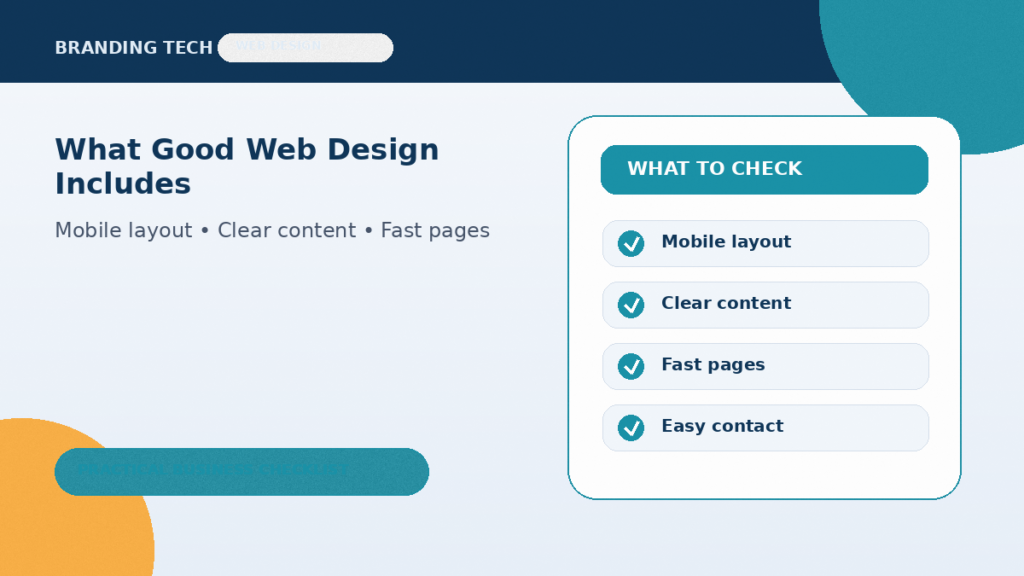
More than half of website visitors now browse using smartphones. Google also prioritizes mobile-friendly websites in search rankings.
Every website we build includes:
Your customers will enjoy a seamless browsing experience regardless of the device they use.
A beautiful website is useless if customers cannot find it.
That's why every website we create follows modern SEO principles.
Our SEO-friendly websites include:
These elements help improve your visibility on Google and increase your chances of attracting organic traffic.
Website speed directly impacts both customer satisfaction and Google rankings.
A slow website causes visitors to leave before viewing your products or services.
Our websites are optimized for:
This ensures a better user experience while improving search engine performance.
Cybersecurity is more important than ever.
Every website includes security best practices such as:
Your business data and customer information remain protected.
Local customers often search using terms such as:
Our websites are structured to support Local SEO strategies, helping businesses appear in Google Search and Google Maps for location-based searches.
This improves visibility among customers who are actively looking for services in Kuala Lumpur.
We work with businesses across many industries, including:
Each industry requires a unique approach, and we customize every website accordingly.
Businesses choose us because we focus on delivering websites that generate measurable business results rather than simply attractive designs.
Our advantages include:
We believe your website should become one of your strongest marketing assets.
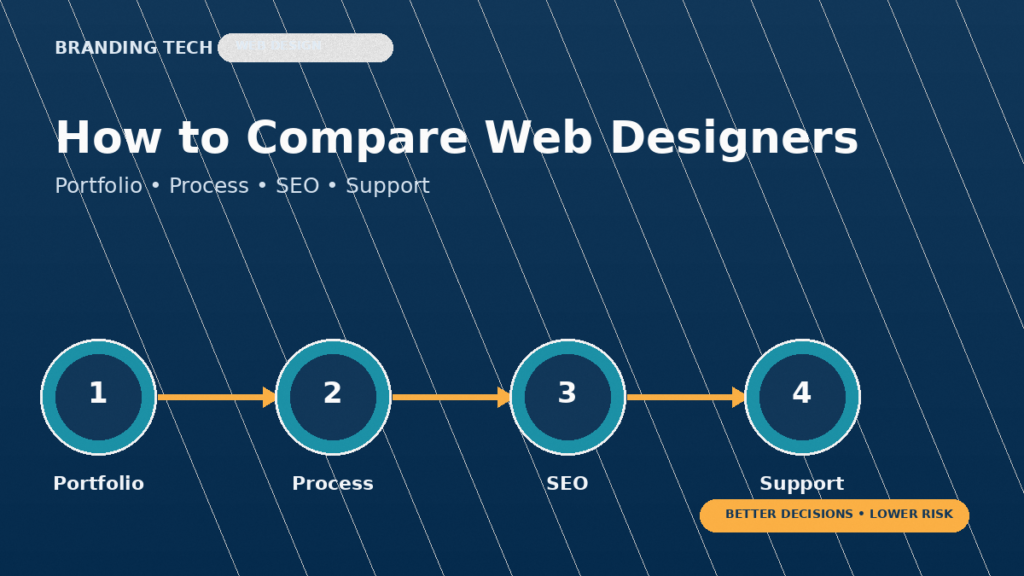
WordPress powers over 40% of websites worldwide and remains one of the most flexible website management systems available.
Our WordPress websites offer:
You can easily manage your own website without requiring programming knowledge.
Online shopping continues to grow rapidly across Malaysia.
Our e-commerce solutions include:
Whether you're selling a few products or thousands, we can build the right online store for your business.
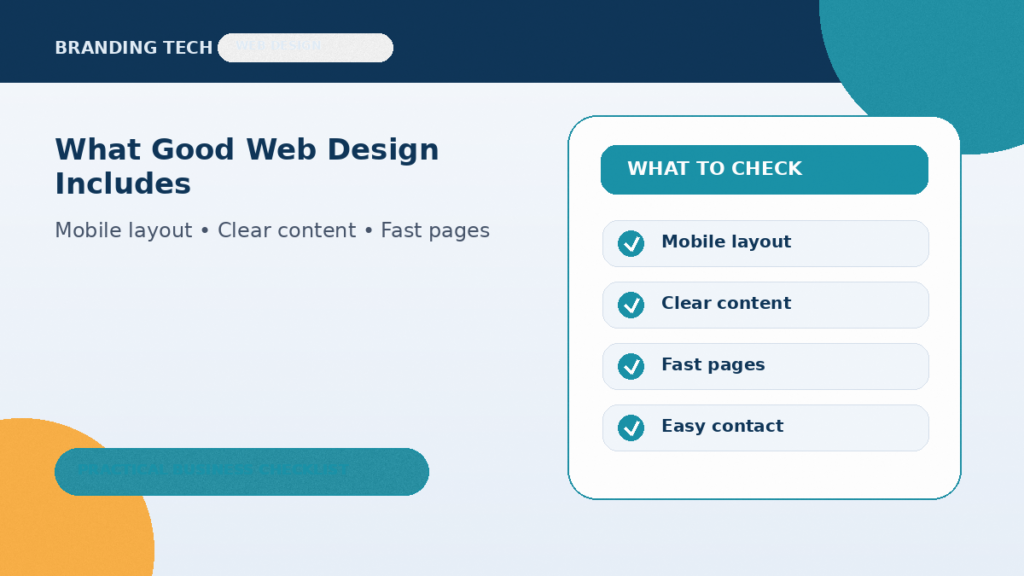
Every project is developed with attention to detail, ensuring your website meets modern standards for performance, usability, accessibility, and SEO.
We continuously stay updated with the latest web design trends, Google algorithm updates, and digital marketing best practices.
Our goal is simple:
Help your business grow online through professional website design.
Most business websites are completed within 2–6 weeks depending on project complexity.
Yes. Every website is fully responsive and optimized for smartphones, tablets, and desktops.
Absolutely. We can modernize your current website while improving speed, SEO, and user experience.
Yes. We offer technical SEO, on-page SEO, Local SEO, content optimization, and ongoing SEO campaigns.
Yes. Our WordPress websites include an easy-to-use content management system so you can update text, images, and blog posts without technical knowledge.
If you're looking for a dependable Web Designer KL, choosing the right partner can significantly impact your business success. A professionally designed website helps build trust, attract more customers, improve your Google rankings, and increase conversions.
Whether you need a corporate website, an e-commerce store, a business website, or a custom web solution, our experienced team is ready to help. We combine creative design, technical expertise, and SEO best practices to deliver websites that perform exceptionally well in today's competitive digital landscape.
Invest in a website that not only represents your brand professionally but also supports your long-term business growth. Contact us today to discuss your project and discover how our Web Designer KL services can help your business succeed online.